Imrane
Local guide & founder · 18 April 2026
There are dozens of food tours in Paris. Some are outstanding. Some are tourist traps with good marketing. Here's how to tell the difference before you book.
If you search for food tours in Paris, you'll find hundreds of options, ranging from €30 self-guided phone apps to €250 private experiences. The quality range is equally wide. Some tours are genuinely extraordinary — they change how you understand French food for the rest of your life. Others are glorified supermarket walks where a disinterested guide reads facts off a laminated card.
The marketing of all of them looks roughly the same. So how do you tell the difference? Here's an honest guide from someone who runs a food tour.
Group Size: The Most Important Factor
The single biggest predictor of food tour quality is group size. Small groups — 8 to 12 people maximum — allow the guide to actually talk to each guest, to pause when someone has a question, to adapt the pace to the group's energy. Large groups — 20 to 30 people — mean the guide is managing logistics, not delivering an experience. You spend half the tour waiting for the group to reassemble outside each stop.
Ask before booking
Ask the operator: 'What is the maximum group size on this tour?' If the answer is above 12, expect a more generic, less personal experience. If they won't answer, that tells you something too.
The Guide's Background
A food tour is only as good as its guide. Look for guides who have professional backgrounds in food and hospitality — chefs, sommeliers, former restaurant professionals — rather than generalist city guides who have added 'food tour' to their repertoire. The difference shows in the depth of knowledge: a professional can explain why a particular cheese is aged for 18 months, not just that it tastes good.
Also look for guides who actually live in the neighbourhood they're showing you. The best food tour guides in Paris have personal relationships with the shops they visit — the fromagerie owner knows them by name, the baker sets aside a fresh batch for tour groups. That access is not possible without years of genuine community presence.
The Stops: Local Shops vs. Tourist-Adjacent
The shops on a food tour reveal everything about its quality. A great food tour visits places that locals actually use — the fromagerie where the neighbourhood shops for Sunday dinner, the boulangerie with a queue at 7am, the butcher who sources from specific regional producers. A poor food tour visits shops that have essentially become tourist infrastructure: they exist primarily to serve tour groups and have adapted their product accordingly.
- Green flag: the shop has a queue of locals when you arrive
- Green flag: the guide has a named relationship with the owner or staff
- Green flag: the products change seasonally, or even week by week
- Red flag: the tasting is set up in advance with pre-portioned samples on a tray
- Red flag: the shop sells prominently to tourist audiences (branded bags, multilingual menus, etc.)
- Red flag: multiple tour groups are visiting simultaneously
What's Actually Included
A good food tour includes everything — no additional charges at stops, no expectation to tip individually at each shop, no awkward moment where you have to decide whether to buy something. The guide has pre-arranged tastings with each producer, and those tastings are included in your tour price.
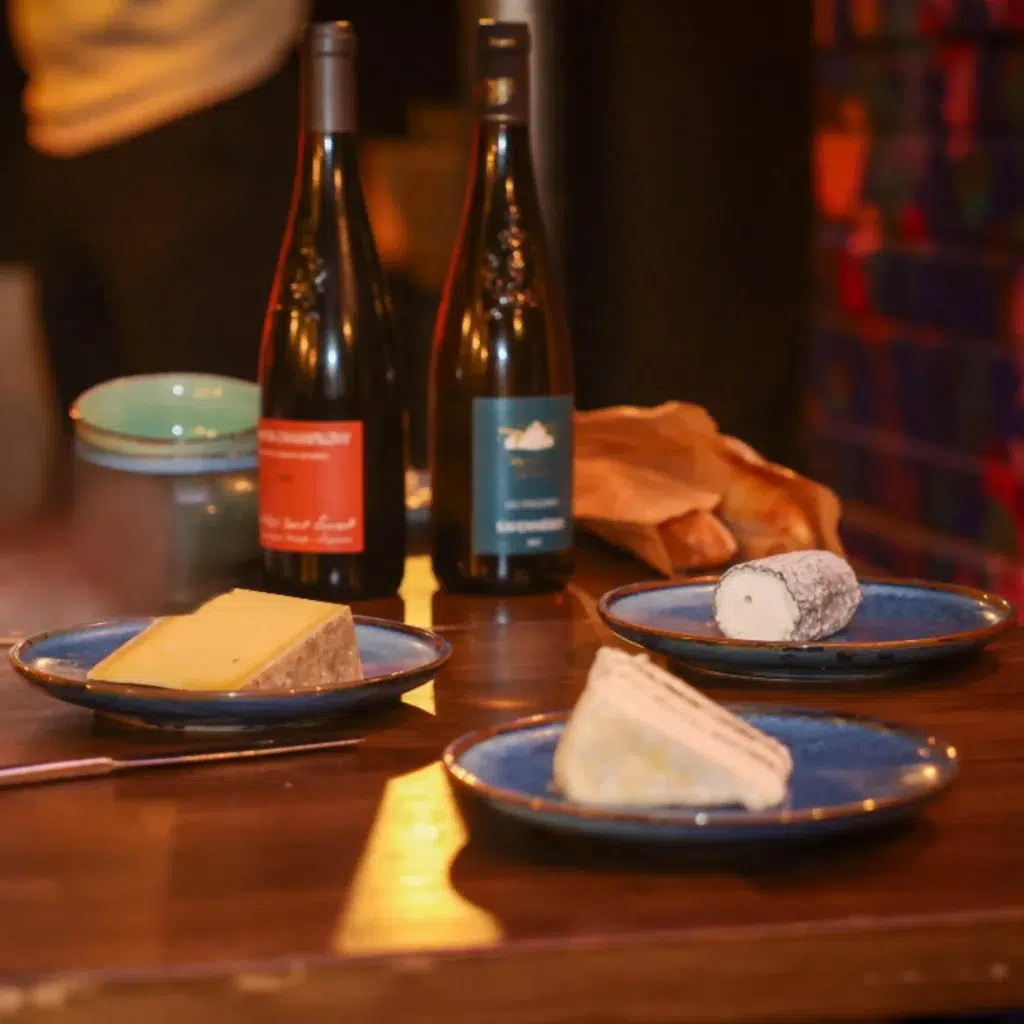
The number of tastings matters too. A genuine food tour should include at least 10 to 15 distinct tastings across 4 to 7 stops. If a tour advertises '6 tastings in 3 stops', that's a light snack walk, not a food tour.
Reviews: What to Look For
Review aggregators like TripAdvisor, Viator, and GetYourGuide are useful but require reading beyond the star rating. Look for reviews that mention specific details: the name of the guide, a particular stop, a specific tasting that was memorable. Generic 5-star reviews ('Great experience! Highly recommend!') are less reliable than specific ones that describe what actually happened.
Also look at the ratio of negative reviews and how the operator responds to them. A tour that has no negative reviews ever is either very young or has very few guests. A tour that has occasional negative reviews but responds thoughtfully and constructively shows a level of professionalism that matters.
The French Food Tour Approach
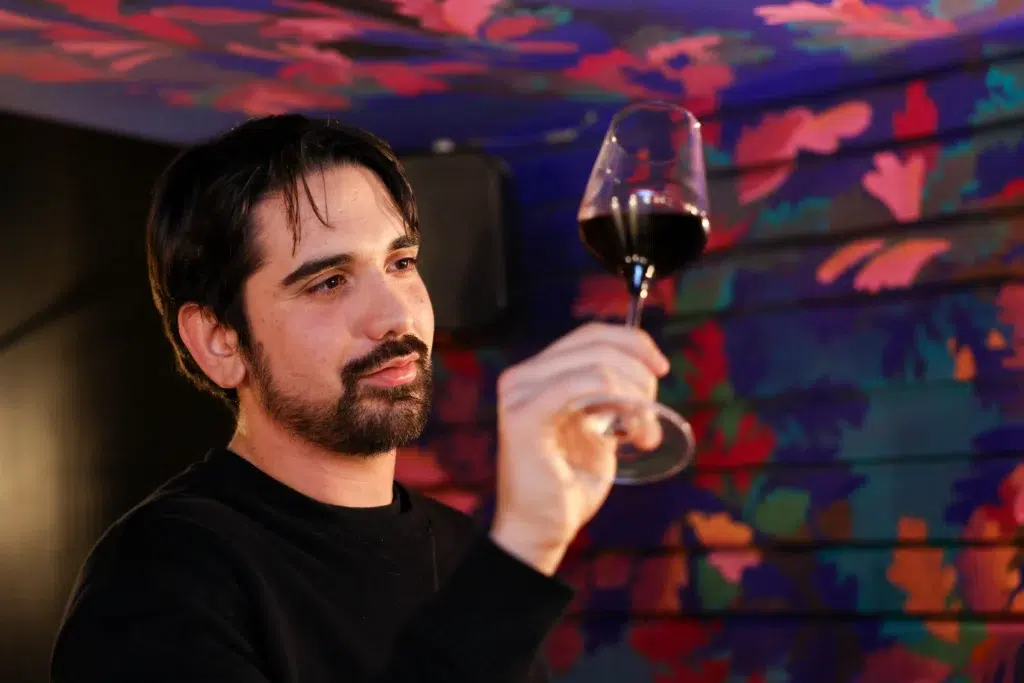
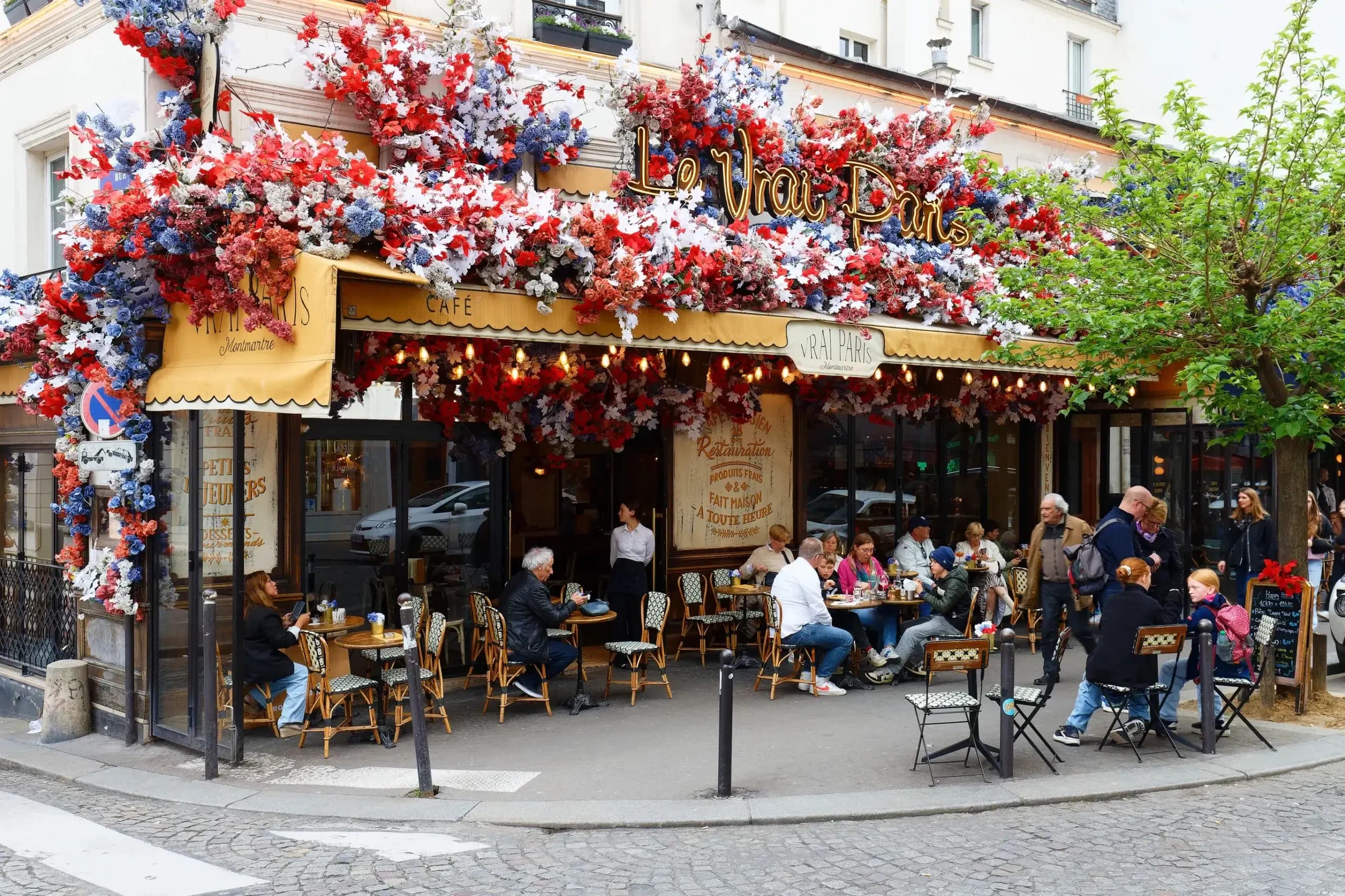
Our Montmartre tour keeps groups at 8 people maximum. Imrane — the guide — spent years working the floor of Michelin-starred kitchens and two world top-10 restaurants before starting this tour. Every stop is a shop he has a personal relationship with, built over years of living and working in the neighbourhood. The tastings total 15 across 7 stops, all included. There are no tourist-facing shops on the route.
The test is simple: does the tour feel like it was designed to show visitors what Montmartre is, or to process tourists through a neighbourhood? The experience of those two things is entirely different.
Ready to Taste Montmartre?
Join our intimate Montmartre Food & Wine Tour — 3 hours, 15 tastings, one unforgettable afternoon.
Discover the Tour