Imrane
Local guide & founder · 15 February 2026
Most visitors to Montmartre see the souvenir shops near Sacré-Cœur and leave disappointed. A different Montmartre — extraordinary, authentic, deeply local — exists just one street away.
Montmartre's reputation has a complicated relationship with its reality. The postcard version — white domed basilica, artists at easels, crêpe stands on every corner — is real enough. But it's a surface. Underneath it is one of Paris's most extraordinary food neighborhoods: a village that still has the rhythms of village life, where the fromagerie has been in the same family for three generations, where the wine bar owner makes annual pilgrimages to small farms in the Loire to select her bottles personally.
Finding this Montmartre requires knowing where to look — or knowing someone who grew up here.
The Two Montmartres
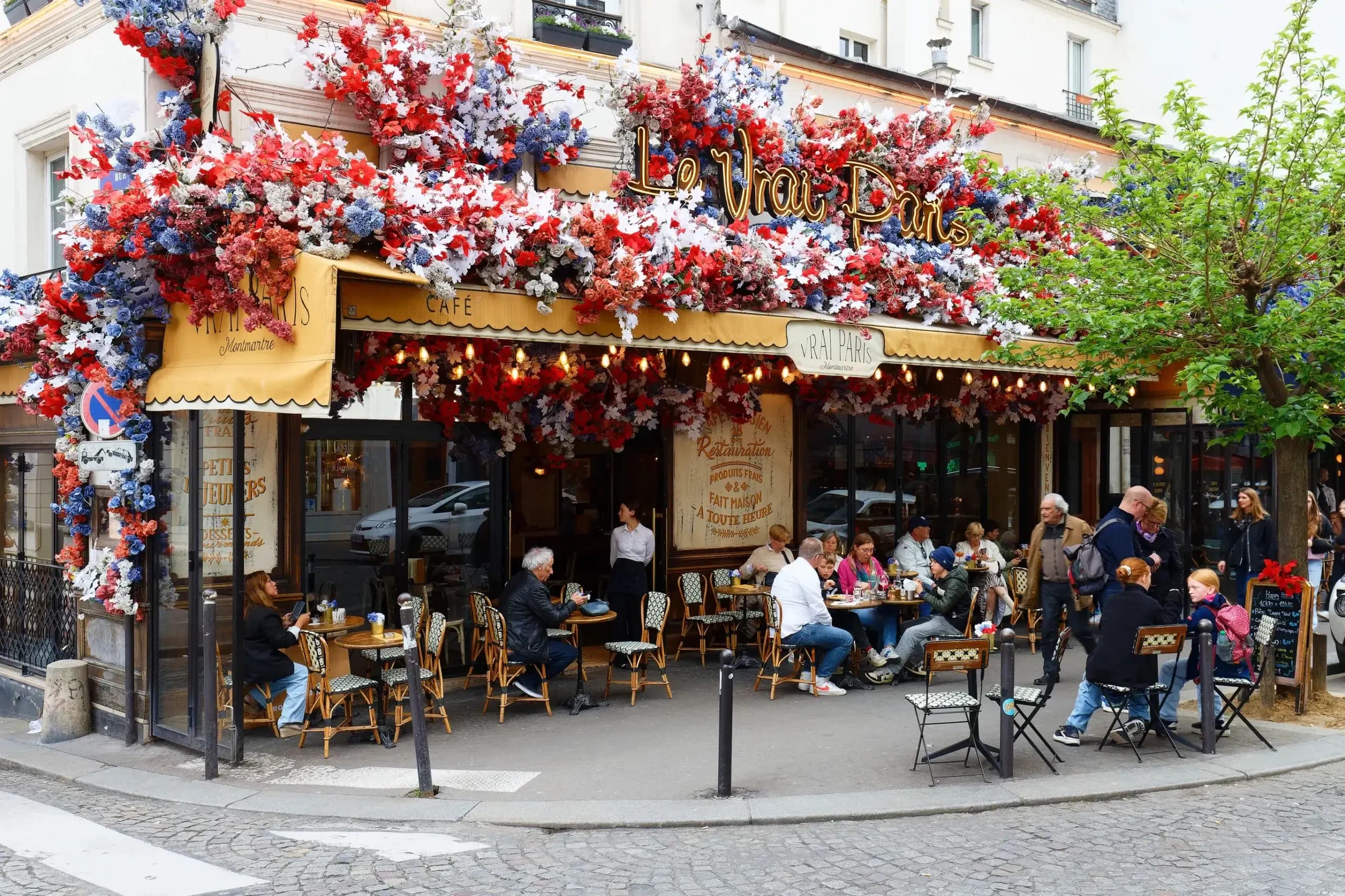
The tourist Montmartre concentrates on Rue Lepic, Place du Tertre and the immediate vicinity of Sacré-Cœur. Millions of visitors pass through annually, and the food economy in this zone has adapted accordingly: overpriced crêpes, mediocre bistros with English menus, souvenir shops selling miniature Eiffel Towers (which is, of course, in a completely different arrondissement).
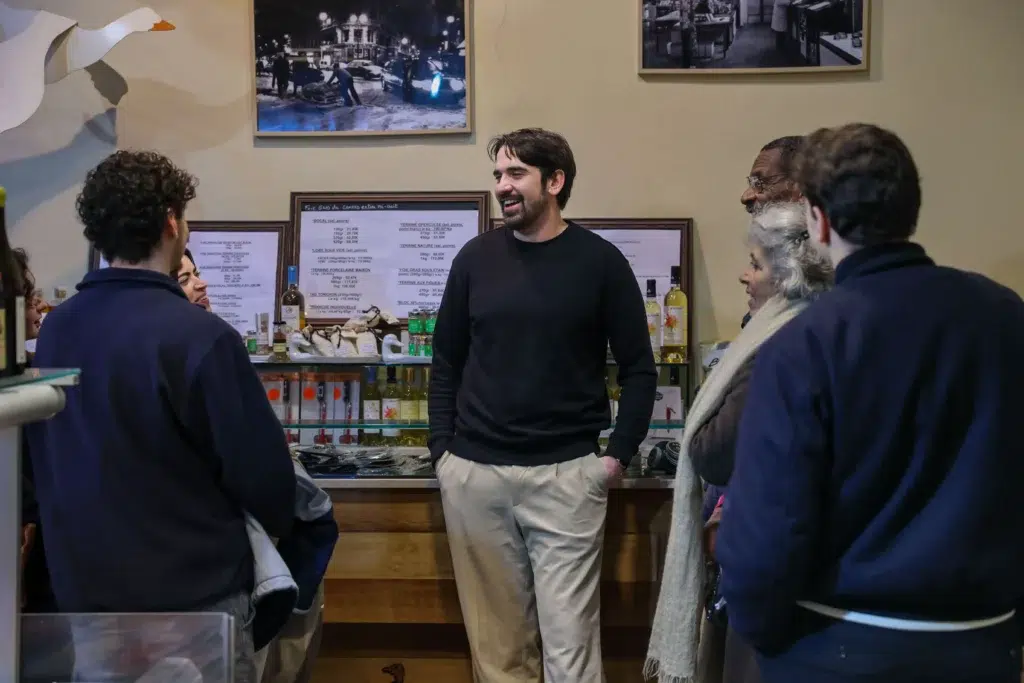
The local Montmartre begins the moment you turn onto a side street. Suddenly: a queue of French people outside a boulangerie at 8am. A cheese shop with a handwritten chalkboard. A wine bar with no sign on the door that you'd walk past completely if you didn't know to ring the bell.
The Fromagerie Culture
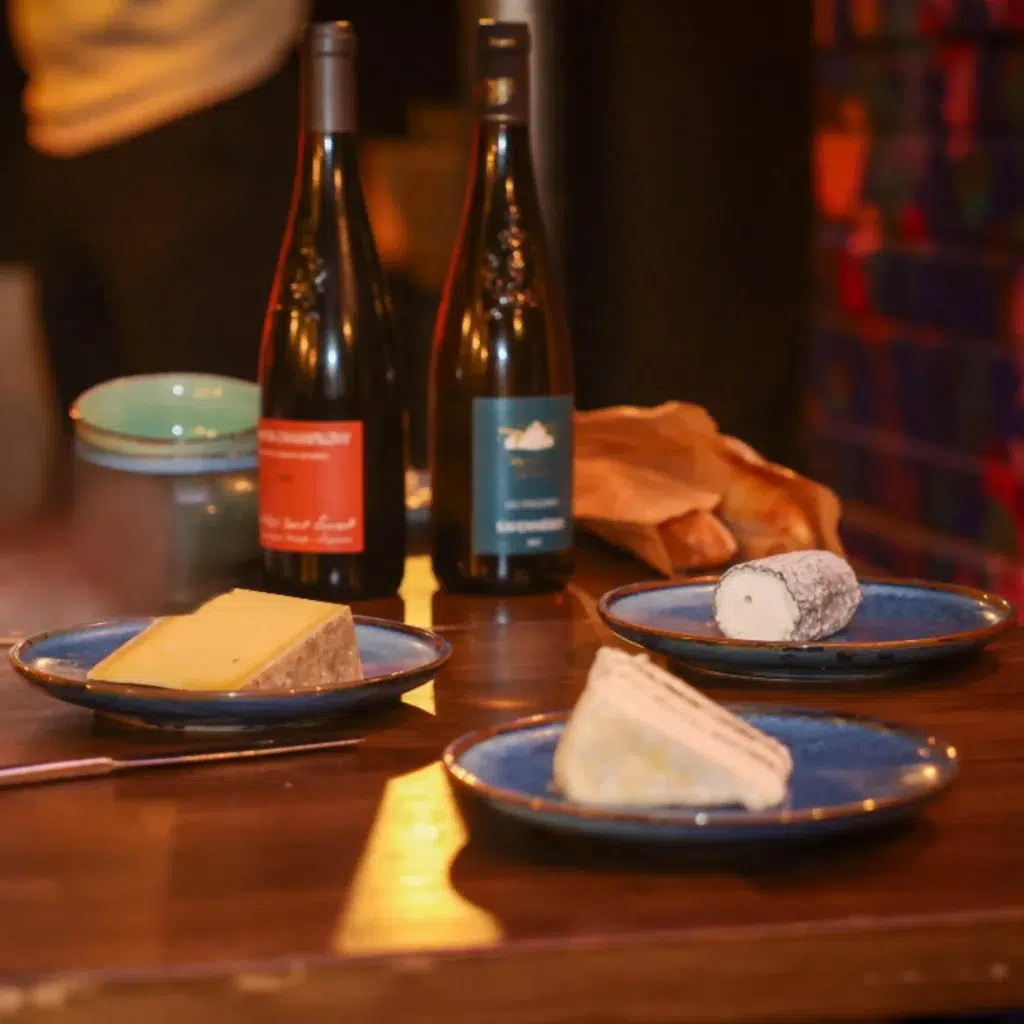
Montmartre has several traditional fromageries that operate very differently from the cheese sections of supermarkets. These are specialists: they age cheeses on-site, buy directly from small producers, and sell only when a cheese is at its peak. Come in summer for the best chèvres. Come in winter for the washed-rind cheeses — the Époisses, the Munster — which need cold weather to be at their most extraordinary.
The shopkeepers will let you taste before you buy. Ask them what they're most excited about this week. They will never steer you wrong.
The Natural Wine Revolution
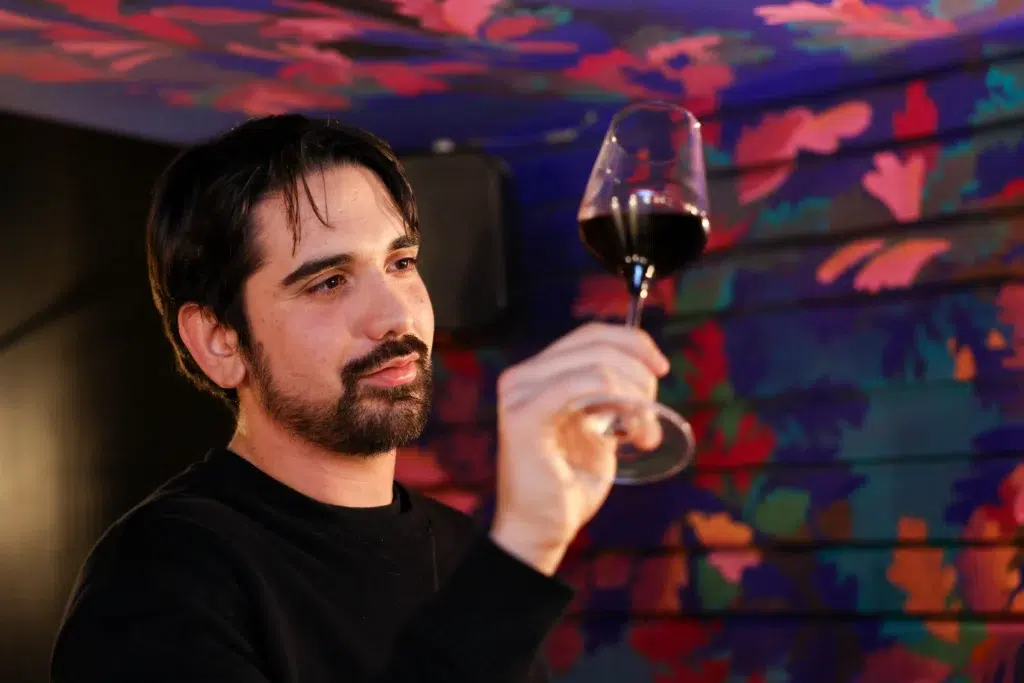
Montmartre has become one of the centres of Paris's natural wine scene — wines made with minimal intervention, no added sulphites or yeasts, from producers who farm their vines biodynamically or organically. The result is wines that taste of place: alive, sometimes cloudy, often surprising, always interesting.
The wine bars in this neighborhood are a universe away from the tourist bistros selling generic Bordeaux by the carafe. Here, the person behind the bar has visited every producer on the list. They can tell you about the harvest, the soil, the weather that year. This is wine culture as it should be.
The best natural wine bars in Montmartre don't look like wine bars. They look like someone's living room that happens to have great bottles.
The Boulangeries Worth Queuing For
Paris takes bread seriously in the way other cities take architecture seriously. There are annual competitions for the best baguette in Paris, and the winner gets to supply bread to the Élysée Palace for a year. In Montmartre, there are several boulangeries that consistently reach this level.
What makes a great baguette? Long fermentation (18-24 hours, not the fast industrial 2-hour version), high-quality flour, and — crucially — being eaten within two hours of baking. The window between perfect and stale is genuinely narrow. The boulangeries in this neighborhood bake twice daily, morning and late afternoon. Regulars plan their days accordingly.
The Secret Terraces
Montmartre is a hill, and on that hill are views. Most tourists find the main viewpoint in front of Sacré-Cœur and are satisfied with that. But the neighborhood has a dozen hidden terraces and rooftop spots that look out over the same city from angles that tourists never discover. We end every food tour at one of them.
Getting here
Take the Abbesses metro (line 12) and walk up rather than taking the funicular. The walk through the winding streets IS the experience. Give yourself 15 minutes.
Why a Guided Tour Makes All the Difference
You can explore Montmartre on your own and have a wonderful time. But you will walk past the fromagerie without knowing it's there. You will not know which boulangerie is currently making the best croissant. You will not find the wine bar with no sign on the door. And you will definitely not discover the panoramic terrace at the end.
This is what a local guide changes. Not just access to places, but context — the stories, the relationships, the history that makes a meal mean something beyond the flavours on the plate.
Ready to Taste Montmartre?
Join our intimate Montmartre Food & Wine Tour — 3 hours, 15 tastings, one unforgettable afternoon.
Discover the Tour