Imrane
Local guide & founder · 1 March 2026
Parisians have a specific, almost ritualistic relationship with food. It's not about what they eat — it's about how, when and with whom. Here's the code, decoded.
There's a particular kind of pleasure in watching a Parisian eat. Not the theatrical Instagram version — just an ordinary person, at an ordinary table, treating an ordinary Tuesday lunch like it's worth an hour of their full attention. That's the thing to understand first: for Parisians, food is not fuel. It is, in the most literal sense, one of the pleasures of being alive.
The Boulangerie Ritual
The day begins at the boulangerie. This is non-negotiable. You go before work, you go before school, you go before you're even fully awake. You buy a baguette tradition — not the standard baguette, the tradition, which is made with a slower fermentation that gives it better crust and flavour — and you eat the heel of it on the walk home. This is called la quignon. It's not a rule. It's just what happens.
The best boulangeries change their bread twice a day. Morning for breakfast and lunch, late afternoon for dinner. Bread more than four hours old is, in Parisian terms, stale. This sounds extreme until you've tasted fresh.
The Long Lunch
France passed a law decades ago protecting the lunch break. The idea that eating well mid-day has value — cultural, social, even economic — is enshrined in legislation. Parisians take this seriously. A proper lunch is at minimum an hour, often ninety minutes. It involves a starter, a main, and either cheese or dessert. It involves conversation. It involves wine, often.
In Paris, the lunch table is not a place to answer emails. The phone stays in the pocket. The food comes first.
As a visitor, the practical takeaway: eat lunch seriously. The prix-fixe menus served at lunch in Paris restaurants are typically the same dishes as dinner, for significantly less money. Parisians know this. Tourists eating hot dogs at 1pm near Notre Dame do not.
Aperitif Culture
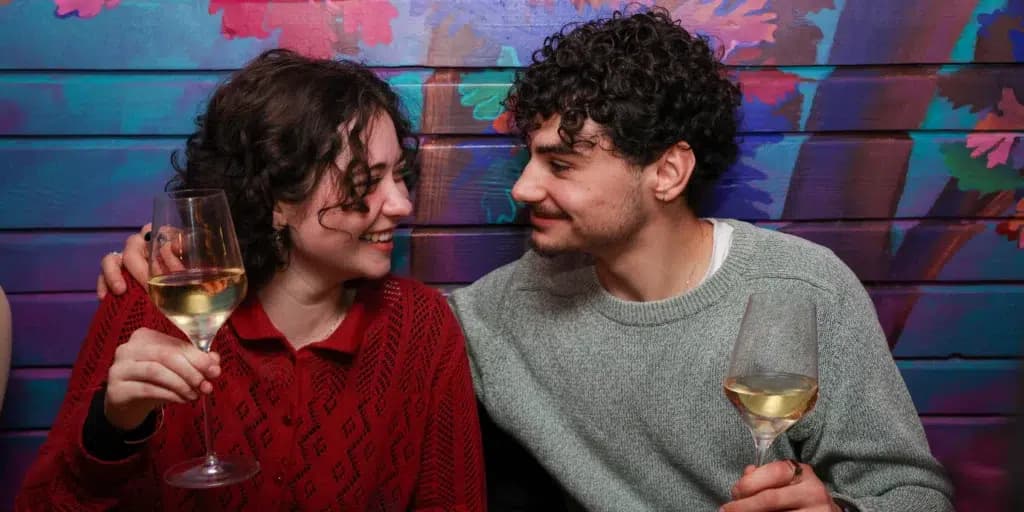
The aperitif — l'apéro — is one of France's great contributions to civilised living. It happens between 6 and 8pm, before dinner. The drink is almost secondary. The point is the pause: the moment between the workday and the evening where you stop, sit with people you like, and allow yourself to be nowhere in particular.
In Montmartre, this often happens on the steps, in small squares, or in the natural wine bars scattered through the village. A glass of Beaujolais, a plate of olives, the light going golden over the rooftops. You begin to understand why people move to Paris.
The Unwritten Rules
- Never ask for a doggy bag in a traditional restaurant — it implies the portion was too large, which is an insult to the chef
- Bread goes directly on the table beside the plate, not on a side plate
- Salad comes after the main course, to cleanse the palate before cheese
- You wait for the word 'bon appétit' (or a nod from the host) before eating
- Wine is poured first for guests, then the host pours for themselves last
- Finishing everything on your plate is a compliment; leaving food suggests the portion was too large
- Coffee comes after dessert — never with it, never before
Avoiding Tourist Traps
The tourist menus near major landmarks look like bargains. They are not. They are typically made with lower-quality ingredients, prepared in bulk, and designed to turn tables quickly. A laminated menu with photographs is a reliable warning sign. An absence of French speakers at neighbouring tables is another.
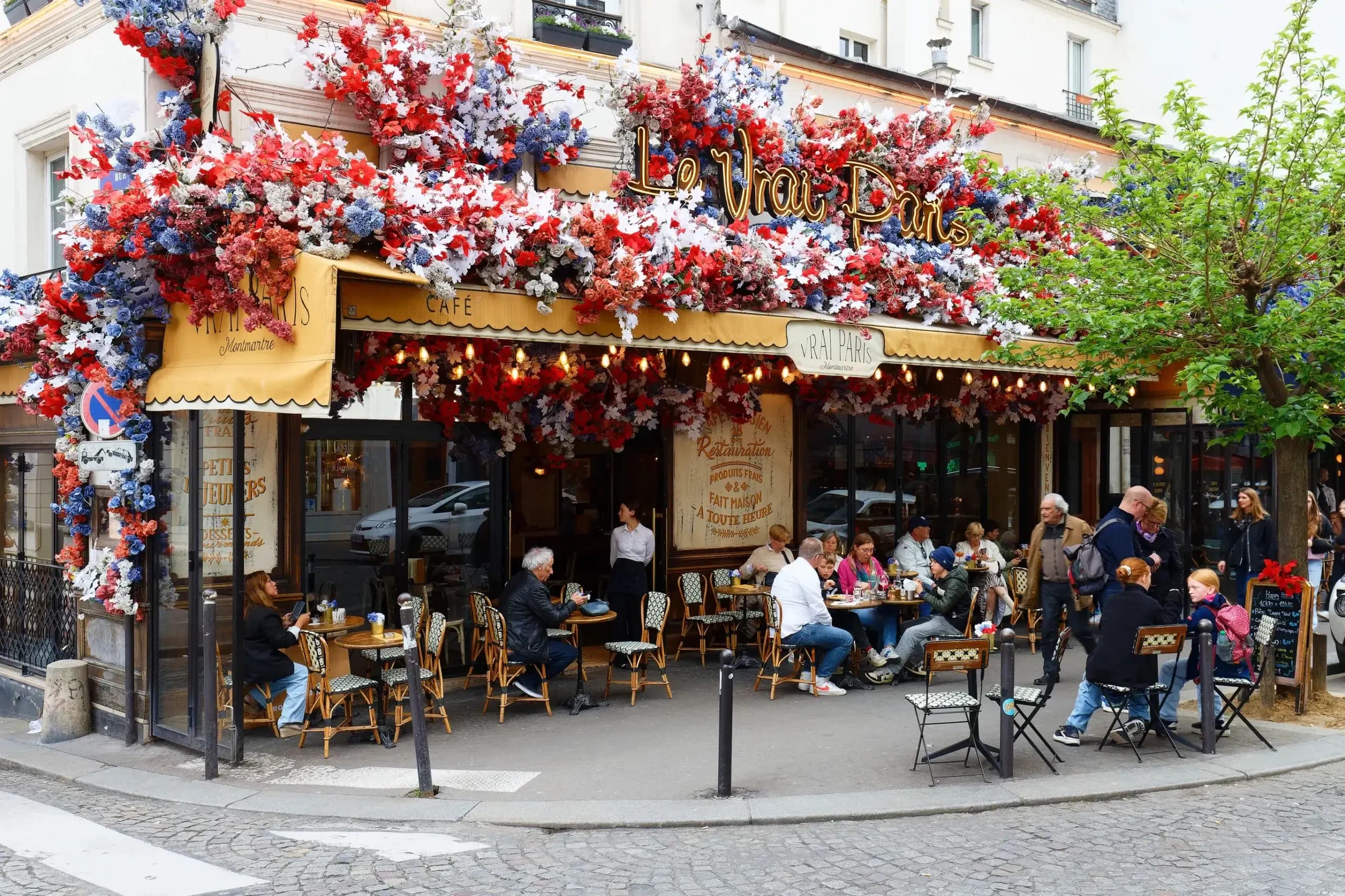
The simplest rule: walk one or two streets away from any monument and the quality of food improves dramatically. Parisians don't eat at restaurants next to tourist attractions. Follow the Parisians.
The local test
Before entering any restaurant, look at who's eating there. If more than half the tables have tourists, keep walking. If you hear mostly French being spoken, sit down.
Food as Social Currency
In Paris, knowing where to eat — and knowing why the place you've chosen is worth it — is a form of cultural capital. Locals share recommendations with the same seriousness that others might share investment advice. A really good restaurant tip, in Paris, is a gift.
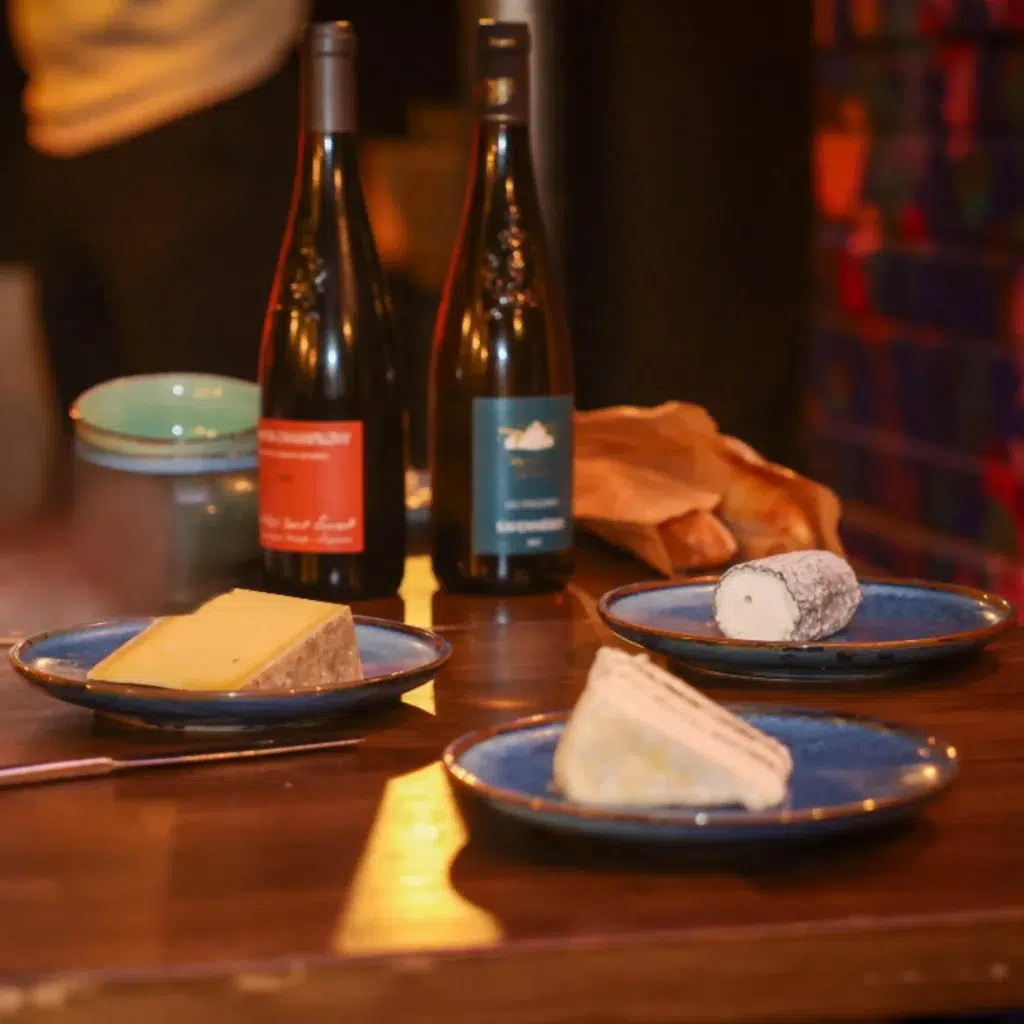
On our food tour, we give you that gift. At the end of three hours, you'll leave with a handwritten map of the best places to return to: the fromagerie we visit, the wine bar with the extraordinary natural pours, the boulangerie that makes the best croissant in Montmartre. It's the local knowledge that most visitors never get.
Ready to Taste Montmartre?
Join our intimate Montmartre Food & Wine Tour — 3 hours, 15 tastings, one unforgettable afternoon.
Discover the Tour