Imrane
Local guide & founder · 20 April 2026
Montmartre is more than a tourist landmark. For those who know where to look, it's one of the most extraordinary food neighbourhoods in Paris. Here's the full guide.
Most visitors to Montmartre come for Sacré-Cœur, the views, and the artists. They spend an hour at the top, take photographs, buy a painting, and leave. They miss entirely what makes Montmartre one of the most interesting places to eat in Paris: a dense, authentic network of artisan food producers who have been working the same streets for decades.
This guide is written by someone who grew up in Montmartre, works here every day, and has spent years building relationships with the people who make this neighbourhood's food culture what it is. It is not a list of restaurant recommendations from a travel magazine. It is an honest account of how food works in this corner of Paris.
The Character of Montmartre
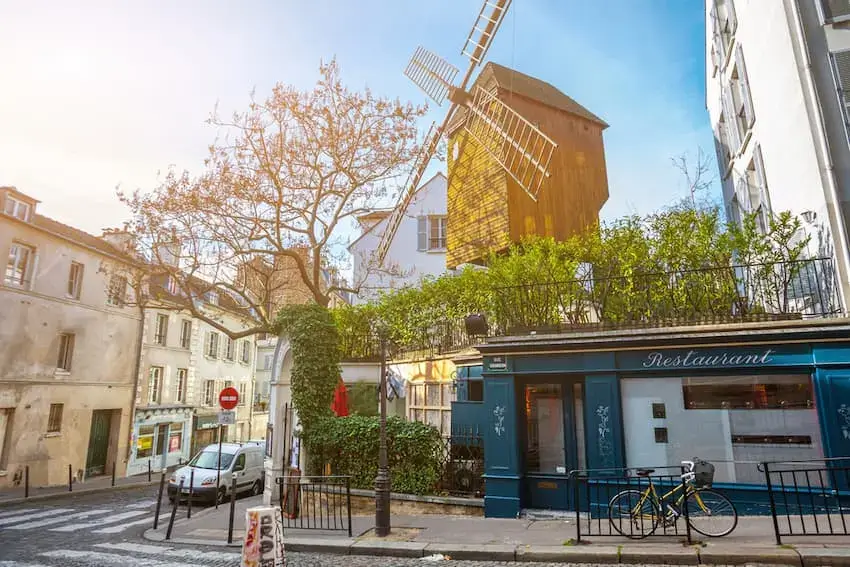
Montmartre is the highest point in Paris — physically and, in some ways, temperamentally. It was absorbed into the city relatively late, and it has maintained the character of a village in a way that the rest of Paris's inner arrondissements haven't. Streets are narrow and non-grid-like. Shops are small. People know each other.
This matters for food because the commercial pressure that has turned much of central Paris into a landscape of chains and tourist-facing brasseries has had less effect here. The fromagerie owner in Montmartre doesn't need to adapt to what tourists want to buy — he sells to the neighbourhood, which has very high standards and doesn't tolerate mediocre cheese.
Bread: The Boulangeries of Montmartre
Montmartre has an exceptional concentration of traditional boulangeries — bakers who use stone-milled flour, long fermentation, and wood-fired or deck ovens to produce bread that bears little resemblance to the industrial loaves sold in supermarkets. The baguette tradition here is a serious object: a legal designation requiring specific flour, specific fermentation, and specific baking techniques. When you bite into one warm from the oven, you understand why the French care.
What to look for in a Montmartre boulangerie: a queue of locals in the morning, a board on the wall listing the day's specials, pastries that look individually made rather than factory-produced, and a baguette that has a pronounced ear (the diagonal slash on top) showing it was baked correctly.
Cheese: The Fromageries
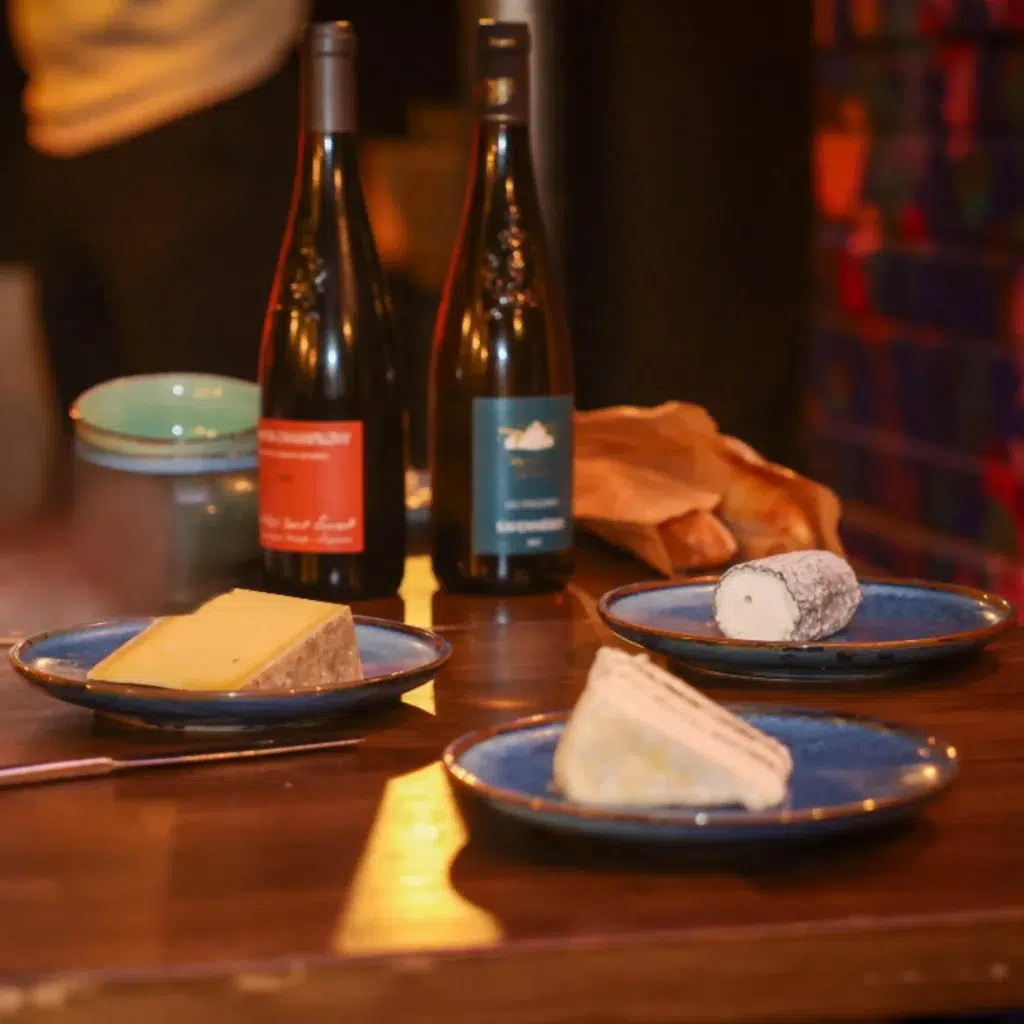
A great Parisian fromagerie is one of the most sensory experiences a food lover can have. The smell hits you before you enter — a complex layering of ammonia, earth, cream, and fermentation that is, once you've grown to love it, one of the most appetising smells in existence. Inside, the cheeses are arranged by category: fresh, soft, washed-rind, pressed, blue. A good fromager can guide you from mild to strong, from familiar to the truly extraordinary.
In Montmartre, the best fromageries still age some of their own cheeses — a practice called affinage — in caves beneath the shop. This means the cheese you buy was ripened in this building, not shipped in from a wholesaler. The difference in quality is not subtle.
How to order at a fromagerie
Tell the fromager how many people you're serving and whether you want to eat the cheese now or in two days. They will select accordingly. This is normal; they do it all day. Don't feel like you need to pretend to know what you want.
Wine: Montmartre's Vineyards and Wine Bars
Montmartre is one of the only arrondissements of Paris that still has a working vineyard. The Clos Montmartre, maintained by the city since 1933, produces around 1,500 bottles per year — sold at auction, with proceeds going to the neighbourhood. The wine itself is more symbol than serious drinking, but the vineyard's existence tells you something about Montmartre's relationship with the vine.
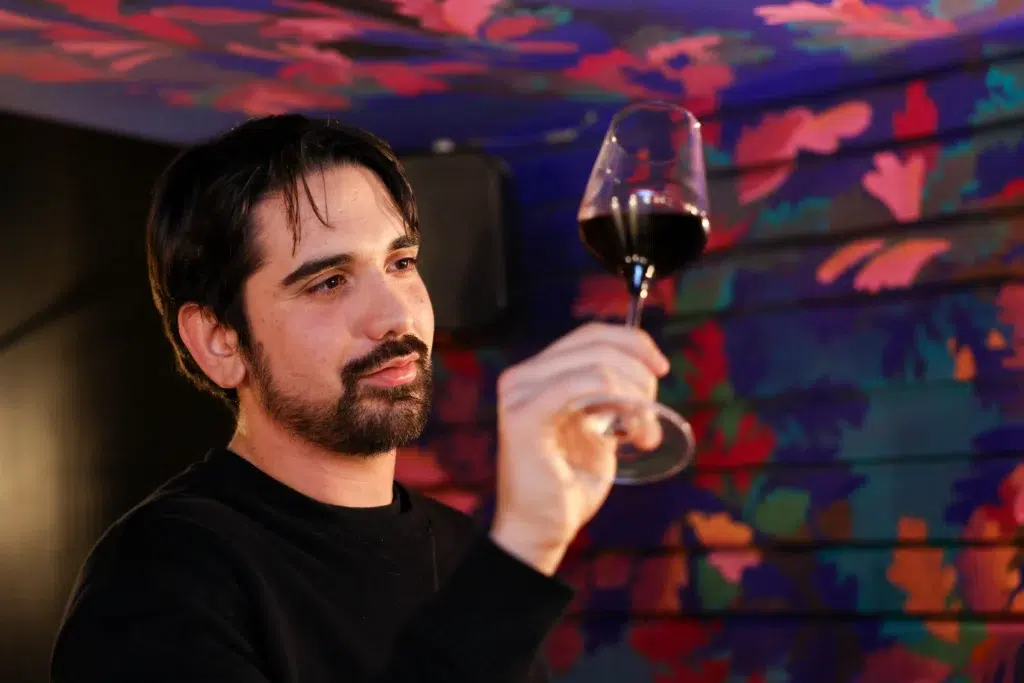
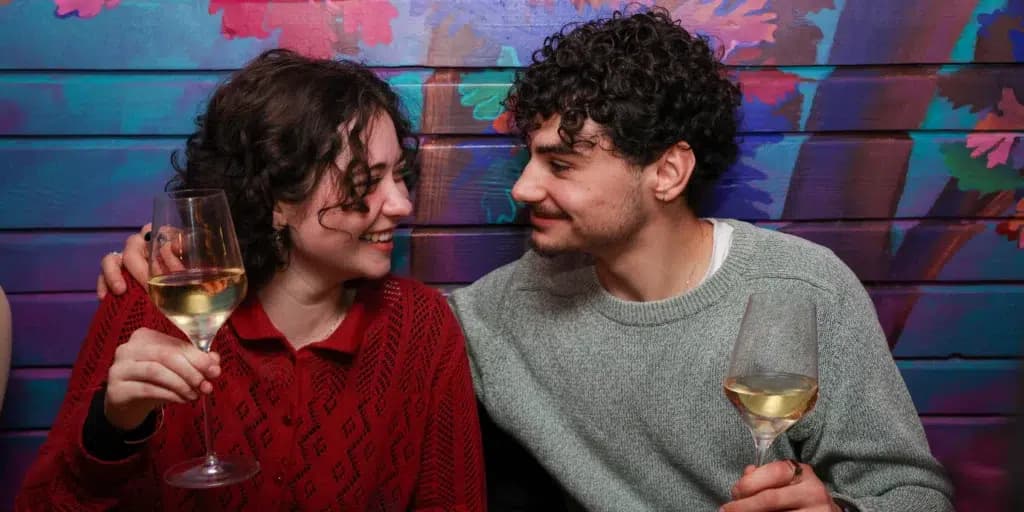
The wine bars in Montmartre range from traditional cave à vins — bare stone walls, a chalkboard list, glasses poured directly from the barrel — to more contemporary natural wine bars run by younger sommeliers. Both have their place. The traditional caves tend to pour reliable classics at fair prices. The natural wine bars are worth seeking out if you want to drink something genuinely unexpected.
Charcuterie: The Butchers
French charcuterie is a world that takes years to fully navigate. Pâtés, rillettes, saucissons, jambon, boudin noir, andouillette — each with regional variants, each requiring specific knowledge to buy and eat well. A Montmartre butcher who has been operating for decades will know exactly what he has, where it came from, and how to serve it. Ask questions: the answer will almost always be interesting.
Chocolate: The Artisan Chocolatiers
Paris has some of the finest chocolatiers in the world, and Montmartre has its own. What separates an artisan chocolatier from a commercial one is the sourcing: a genuine chocolatier works with specific cacao origins — often single-estate beans from Ecuador, Madagascar, or Venezuela — and develops recipes that highlight the character of each origin. The result is a bar of chocolate that tastes of somewhere specific, rather than of 'chocolate in general'.
The Seafood Culture
Landlocked Paris takes its seafood with a seriousness that surprises many visitors. The oyster stalls at Saturday markets, the poissonneries receiving daily deliveries from Brittany and Normandy, the restaurants serving plateaux de fruits de mer — all of this is part of a supply chain that has been functioning for centuries. Montmartre's fishmongers work with suppliers whose names they know, whose boats they can identify. The distance from the sea is an irrelevance when the logistics are this good.
Eating in Montmartre: Practical Advice
- Go in the morning: boulangeries are at their best from 7am to noon
- Avoid the tourist triangle around Sacré-Cœur for restaurants — walk two streets further
- Saturday is market day — the best time to see the neighbourhood's food culture in full operation
- Ask shop owners for recommendations: Montmartre producers know each other and will send you in the right direction
- Eat standing at the fromagerie counter if invited — it's how locals shop
- Bring cash: many of the best small producers are card-averse
The most authentic version of Montmartre is not on the hill around Sacré-Cœur. It's in the streets below — the rue Lepic, the rue des Abbesses, the side streets where the locals actually live and eat. That's where the tour goes.
Ready to Taste Montmartre?
Join our intimate Montmartre Food & Wine Tour — 3 hours, 15 tastings, one unforgettable afternoon.
Discover the Tour