Imrane
Local guide & founder · 1 February 2026
Natural wine — made with minimal intervention, maximum soul — has transformed the Paris wine scene. Montmartre is its heartland. Here's what you need to know before you drink.
Something has shifted in Paris wine culture over the past decade. The old guard — grand château reds, oak-forward whites, wines made to a formula — still exists. But alongside it, something more alive has taken root: natural wine, vin naturel, made by farmers who treat their vineyards like gardens rather than factories, and who bottle what the land gives them rather than engineering the result.
Montmartre, with its history of artistic rebellion and its village-scale community, became one of the first neighborhoods in Paris where this movement took hold. Today it is, arguably, the capital of Parisian natural wine culture.
What Is Natural Wine, Exactly?
Natural wine doesn't have a strict legal definition, but the principle is clear: grapes grown without synthetic pesticides or herbicides, harvested by hand, fermented with wild yeasts (not commercial yeasts added in the cellar), and bottled with little or no added sulphites. The result is wine that is, in the truest sense, just fermented grapes — with all the unpredictability and vitality that implies.
Natural wines are often cloudy (unfined and unfiltered), sometimes slightly fizzy (residual CO₂), and can taste funky, fresh, fruity or mineral depending on the vintage and producer. They don't taste like conventional wine. That's the point.
The Vocabulary You Need
- Vin naturel — natural wine, the broadest term
- Vin orange — white wine made with extended skin contact, giving amber colour and tannin
- Pétillant naturel (pét-nat) — naturally sparkling wine, bottled before fermentation is complete
- Macération — skin contact for white wines, extracting colour and texture
- Sans soufre — no added sulphites; the most minimal possible intervention
- Biodynamique — the farming philosophy behind many natural wines, aligned with lunar cycles
Why Montmartre?
The natural wine movement needed space to grow, and Montmartre's small, independent bar culture provided it. Unlike the more fashionable districts of Paris — where restaurant rents are eye-watering and the clientele expects conventional luxury — Montmartre has always accommodated the unconventional.
The caves à vins that opened here in the early 2010s could take risks on unknown producers, on wines that might be cloudy or smell of farmyard, because their clientele was curious and adventurous. Those early bars developed the vocabularly and culture around natural wine that has since spread across the city.
Drinking natural wine in Montmartre feels like discovering jazz in New Orleans — you're at the source of something that has since gone everywhere.
How to Approach It as a Beginner
The best advice for someone new to natural wine: suspend expectations. You will taste things that surprise you, possibly in ways you didn't anticipate. A Beaujolais poured slightly chilled that smells of cherries and earth. A white wine that looks amber and tastes of dried apricot and sea salt. A pét-nat that fizzes gently and tastes like a vineyard in autumn.
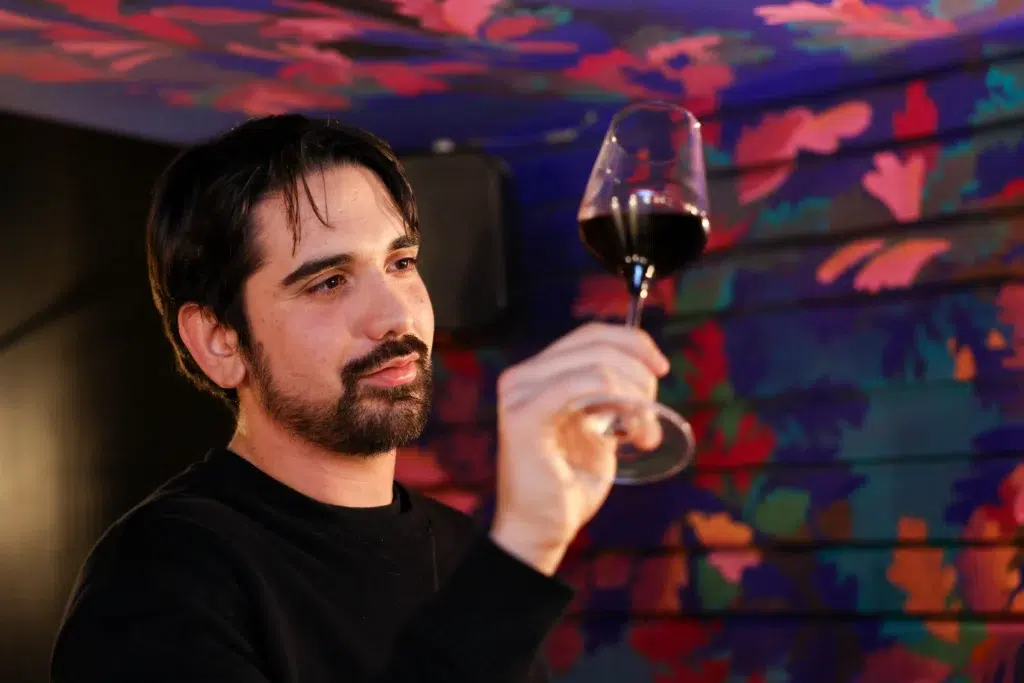
Ask the person pouring for context. Natural wine bars in Montmartre are staffed by people who have visited the producers, who know the region, who can tell you about the vintage. This knowledge is part of what you're drinking.
Temperature matters
Most natural wines are served slightly cooler than conventional wines — even reds. A light Beaujolais naturel served at 14°C rather than room temperature is a revelation.
What We Taste on the Tour
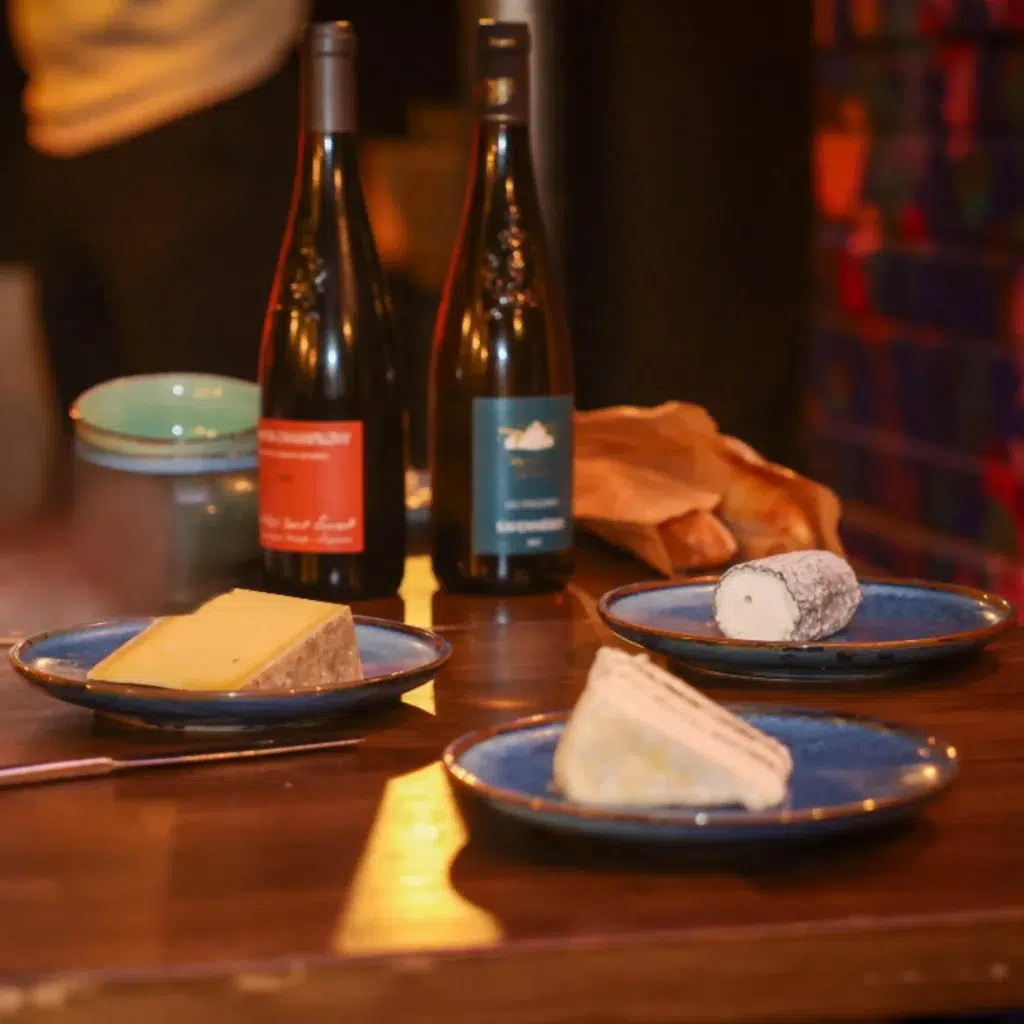
On our Montmartre Food & Wine Tour, we visit a cave à vins that has been one of the neighborhood's finest for years. Your guide will walk you through two or three natural wines — chosen specifically to illustrate different styles — alongside artisan charcuterie selected to complement them. It's a 45-minute masterclass in an art form that's been evolving in this very neighborhood for the past decade.
Ready to Taste Montmartre?
Join our intimate Montmartre Food & Wine Tour — 3 hours, 15 tastings, one unforgettable afternoon.
Discover the Tour